

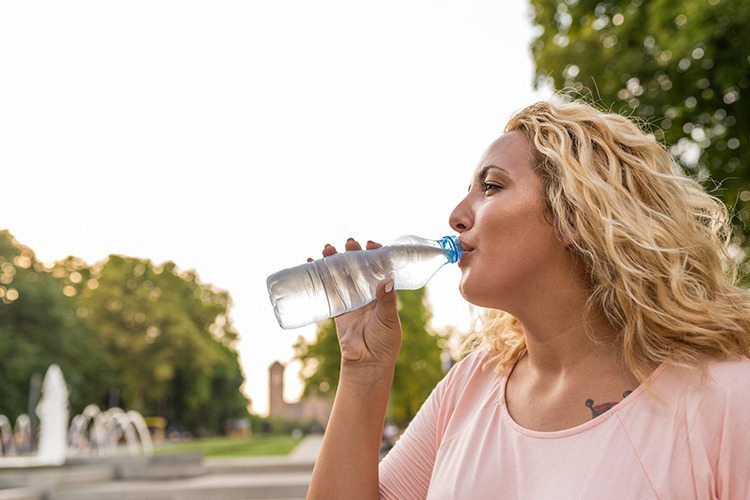
The Importance of Staying Hydrated
Water is an essential nutrient that makes up approximately two-thirds of the human body. Every cell, tissue, and organ depends on adequate fluid levels to function correctly. Despite its fundamental role, mild dehydration is common and can affect cognitive performance, energy levels, digestion, and cardiovascular function.
Drawing on clinical guidelines from the NHS, NHS inform Scotland, and the British Dietetic Association (BDA), this guide outlines the physiological importance of hydration, how much fluid you need, and practical ways to maintain optimal fluid balance daily.
Important Note: This article is intended for informational purposes and is designed for generally healthy individuals. If you have specific medical conditions requiring fluid restriction or modification (such as heart failure, advanced kidney disease, or specific electrolyte disorders), or if you have been advised by a healthcare professional to follow a specific fluid protocol, please consult your doctor or registered dietitian before changing your fluid intake.
Why Hydration Is Vital for Your Body
Fluids are continuously lost through normal physiological processes—including breathing, sweating, and excretion. Maintaining fluid balance is vital because water performs several critical functions:
- Nutrient & Oxygen Transport: Blood plasma (which is over 90% water) transports oxygen, glucose, and essential nutrients to active cells across the body.
- Waste Filtration: The kidneys rely on adequate water volume to filter metabolic waste products and toxins from the blood and excrete them through urine.
- Thermoregulation: During exercise or exposure to heat, the body produces sweat. As moisture evaporates from the skin, it dissipates heat and helps regulate core body temperature.
- Joint & Tissue Protection: Fluid lubricates joints, cushions the spinal cord, protects sensitive tissues, and keeps eyes and mucous membranes moist.
- Digestive Health: Water works in tandem with dietary fibre to soften stool and promote normal gastrointestinal transit, helping prevent constipation.
If you are on a weight loss programme, it is important that you stay hydrated. Find out more about our weight loss service by clicking here.
Health Risks of Dehydration
Even mild fluid deficits (a 1–2% reduction in body water) can trigger noticeable physical and cognitive symptoms.
Mild to Moderate Dehydration
- Headaches and lightheadedness
- Lethargy, fatigue, and muscle tiredness
- Reduced concentration and slower cognitive processing
- Dry mouth, lips, and eyes
- Constipation
- Increased susceptibility to urinary tract infections (UTIs) and kidney stones over time
How Much Fluid Do You Need Daily?
According to the NHS Eatwell Guide and the British Dietetic Association:
- Adult target: Aim for 6 to 8 glasses, mugs, or cups of fluid per day (approximately 1.5 to 2.0 litres).
- Food contribution: Approximately 20% to 30% of daily fluid intake comes from foods with high water content, such as cucumbers, tomatoes, courgettes, berries, and melons (many of which are over 90% water).
When to Increase Fluid Intake
You will need additional fluids beyond the standard baseline if you are:
- Exercising or physically active: Sweating increases both fluid and electrolyte loss.
- In hot or humid weather: Elevated ambient temperatures increase perspiration to prevent overheating.
- Recovering from illness: Fevers, vomiting, and diarrhoea cause rapid fluid depletion; replacement with frequent small sips is essential.
- Pregnant or breastfeeding: Fluid requirements increase to support amniotic fluid, blood volume expansion, and breast milk production.
Practical Tips for Staying Consistently Hydrated
- Keep water visible: Carry a refillable water bottle during work, commuting, and workouts.
- Add natural flavour: If you find plain water unappealing, add a slice of lemon, lime, or cucumber, or choose no-added-sugar squash.
- Drink consistently across the day: Space your fluid intake across morning, afternoon, and evening rather than drinking large volumes in a single sitting.
- Pair with daily habits: Make drinking a glass of water part of established routines—such as waking up, having meals, or taking a short break away from your screen.